Rome
Guide to Historical and Modern Rome
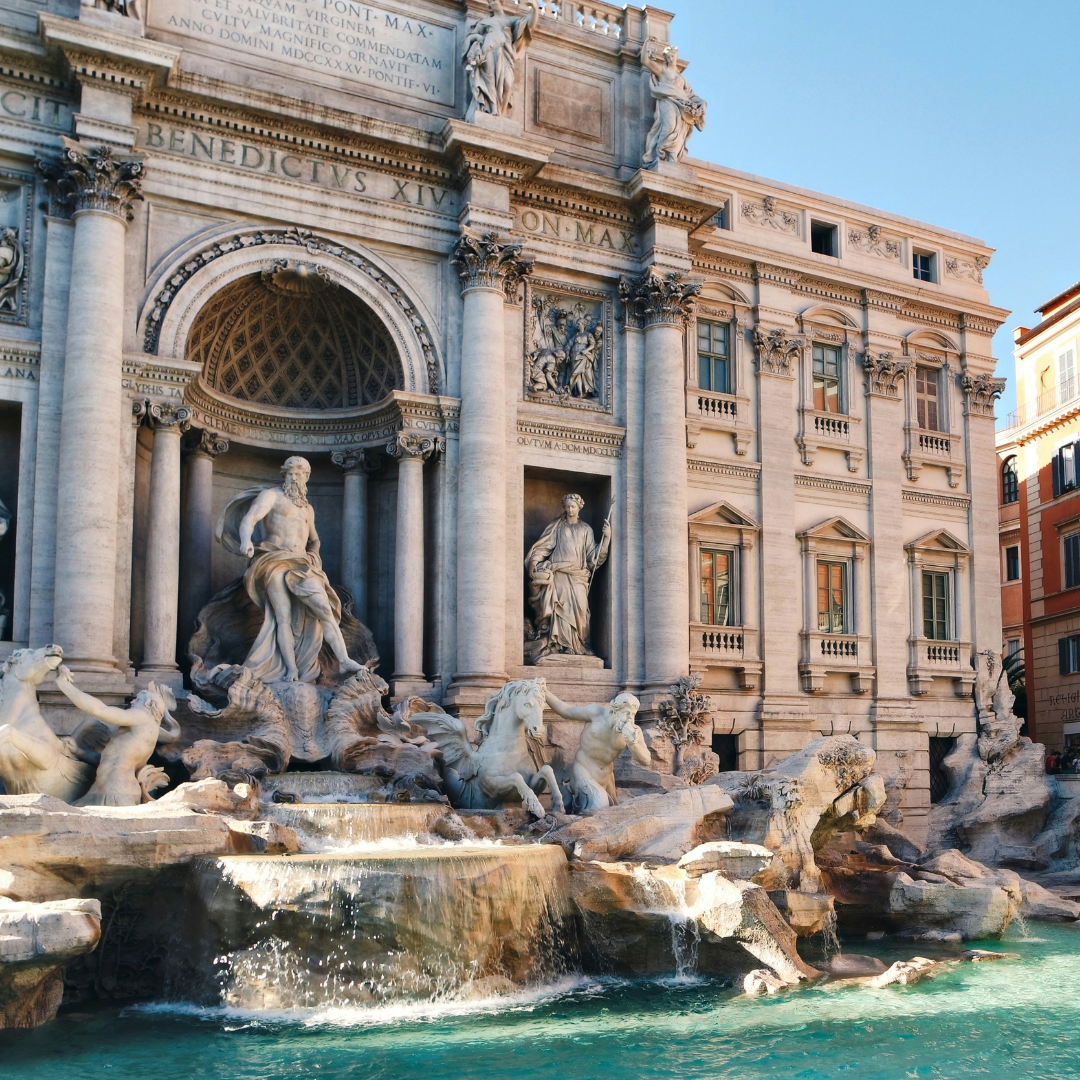
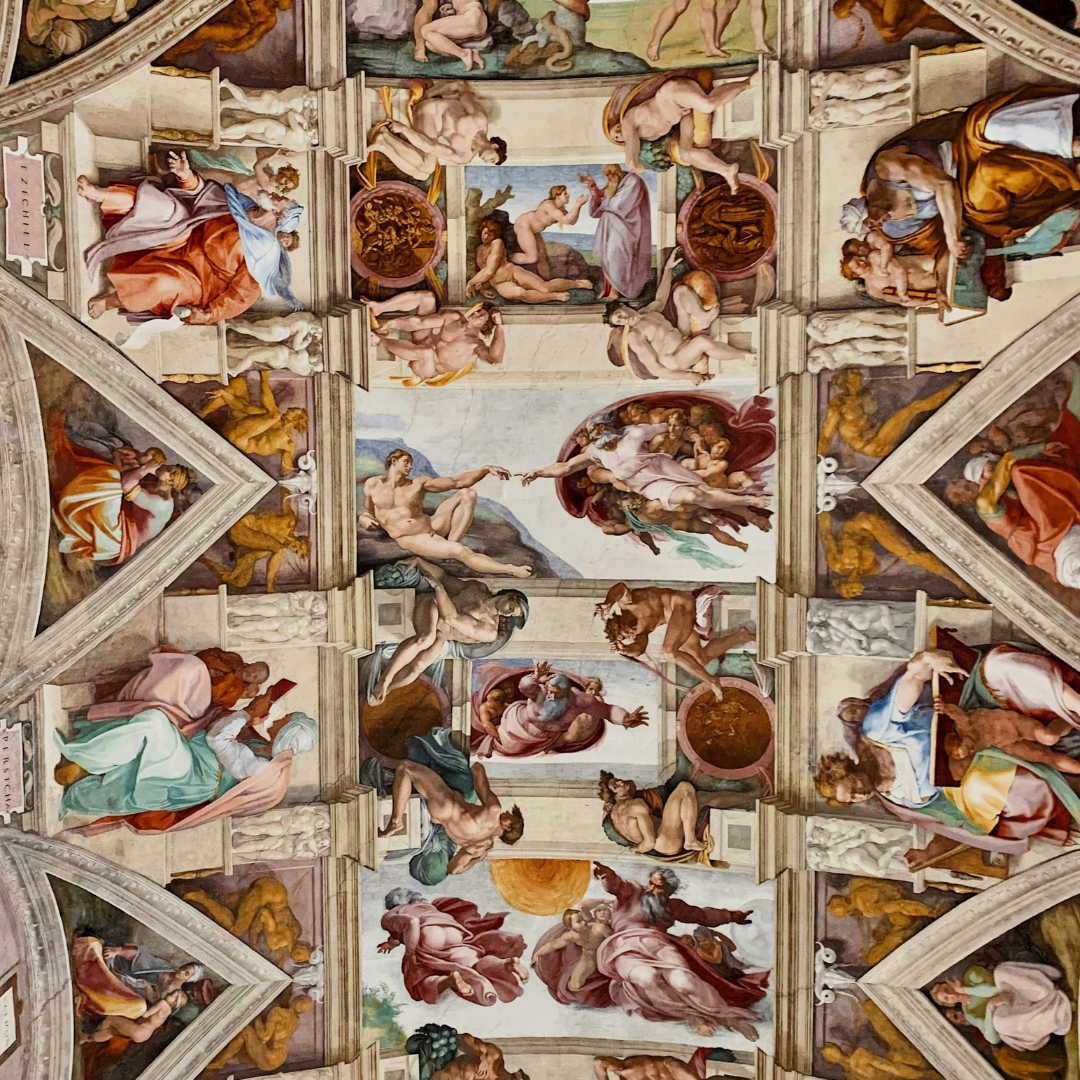
When you imagine dropping a Euro into Trevi Fountain, it may seem like there’s nothing more you could wish for than experiencing Rome’s classic landmarks. After all, many of us grew up dreaming of wandering through the Colosseum, staring in awe at Michelangelo’s The Creation of Adam on the ceiling of the Sistine Chapel, and walking in the footsteps of ancient Romans and Renaissance Italians.
As incredible as these experiences are, I encourage you to put a few of Rome’s modern sites on your wish list, too. Rome is a city where ancient history and contemporary culture exist side by side, creating an experience unlike anywhere else.
To help you find the perfect balance of historical and modern Rome, I’ve created this guide to take you from Rome’s earliest days all the way to the 21st century. As a travel advisor who loves helping clients experience Rome, I want to help you discover every piece of the city’s fascinating story during your visit to “The Eternal City.”
Historical Site #1: The Colosseum
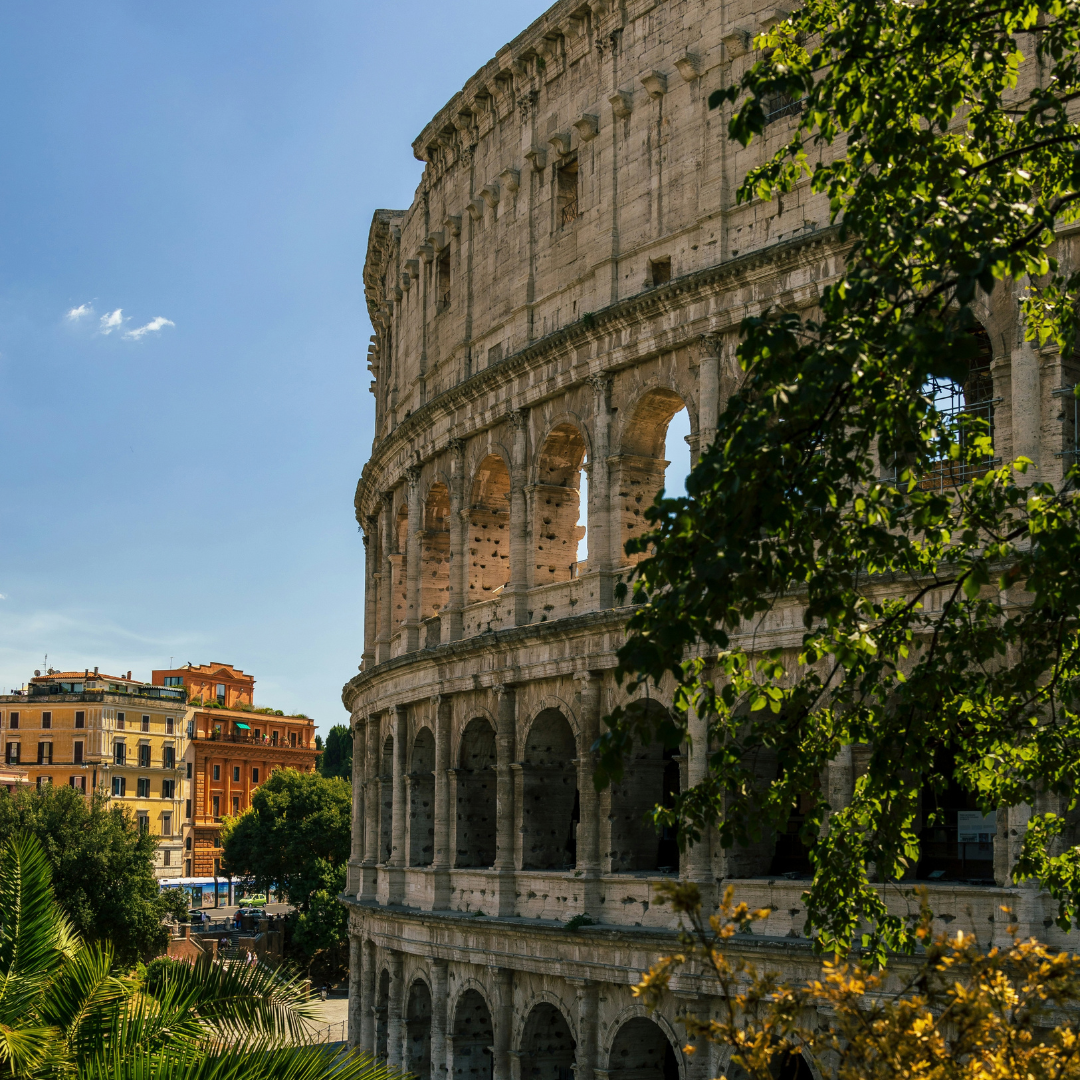
You can’t visit Rome without seeing one of the world’s most famous ancient arenas: The Colosseum. Built nearly 2,000 years ago, this incredible structure once hosted gladiatorial contests, animal hunts, public spectacles, and other massive events.
Walking along the pathways visited by centuries of travelers is a meaningful experience in itself, but exploring the different levels of the Colosseum can add even more depth to your visit. Did you know you can even venture beneath the arena floor?
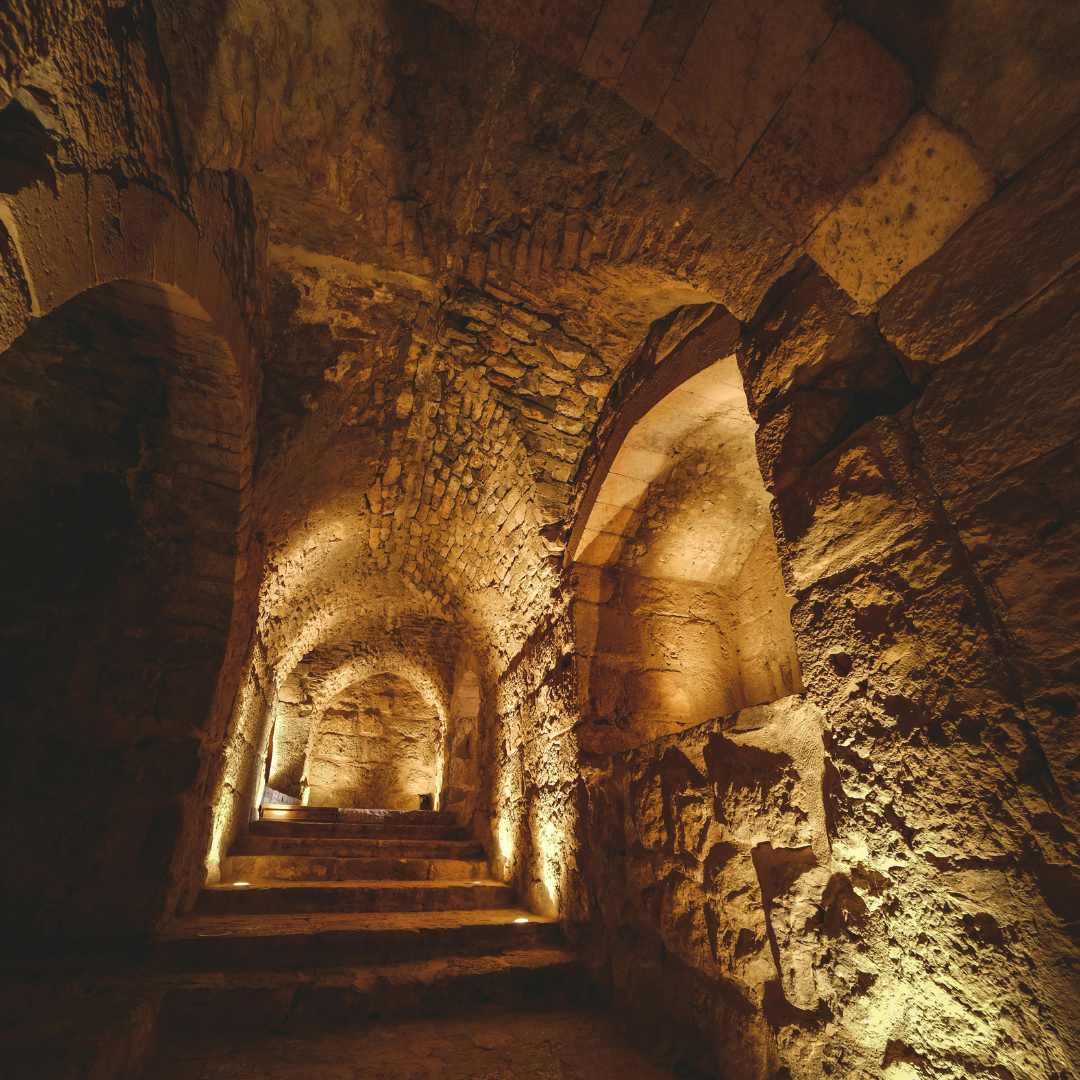
Depending on your tour, you may have access to areas that were once restricted to performers, animals, and workers. The underground hypogeum contains a fascinating network of tunnels and chambers where gladiators and animals waited before entering the arena. You can also see reconstructions of the ancient elevators once used to lift animals and performers onto the arena floor.
Standing on the arena floor, you can begin to imagine what it might have felt like to compete beneath the eyes of thousands of spectators. Looking upward, you’ll also gain a new appreciation for the sheer size and engineering of this ancient structure.
Tours with underground or arena-floor access can be limited and may sell out well in advance, so early planning is essential if these experiences are important to you. Tour options for the Colosseum can also vary significantly, which is where working with a knowledgeable travel advisor can make the planning process easier. I can help you determine which experience best fits your interests, schedule, and travel style.
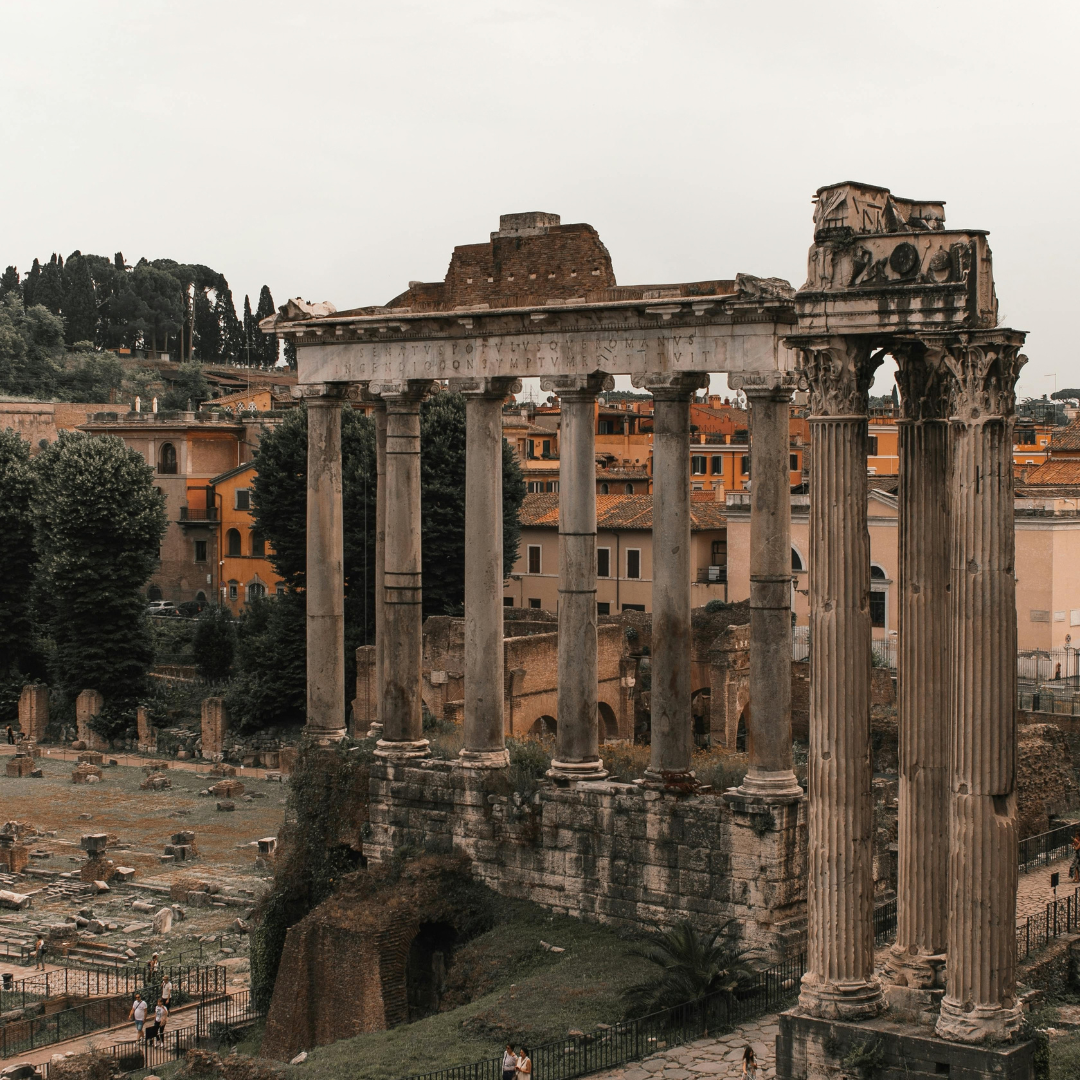
Luckily, many Colosseum tours also include visits to nearby historical sites such as Palatine Hill and the Roman Forum, allowing you to experience even more of Rome’s ancient past in one incredible day.
Historical Site #2: Vatican City
Once you’ve explored the landmarks of ancient Rome, continue your journey through history with Vatican City.
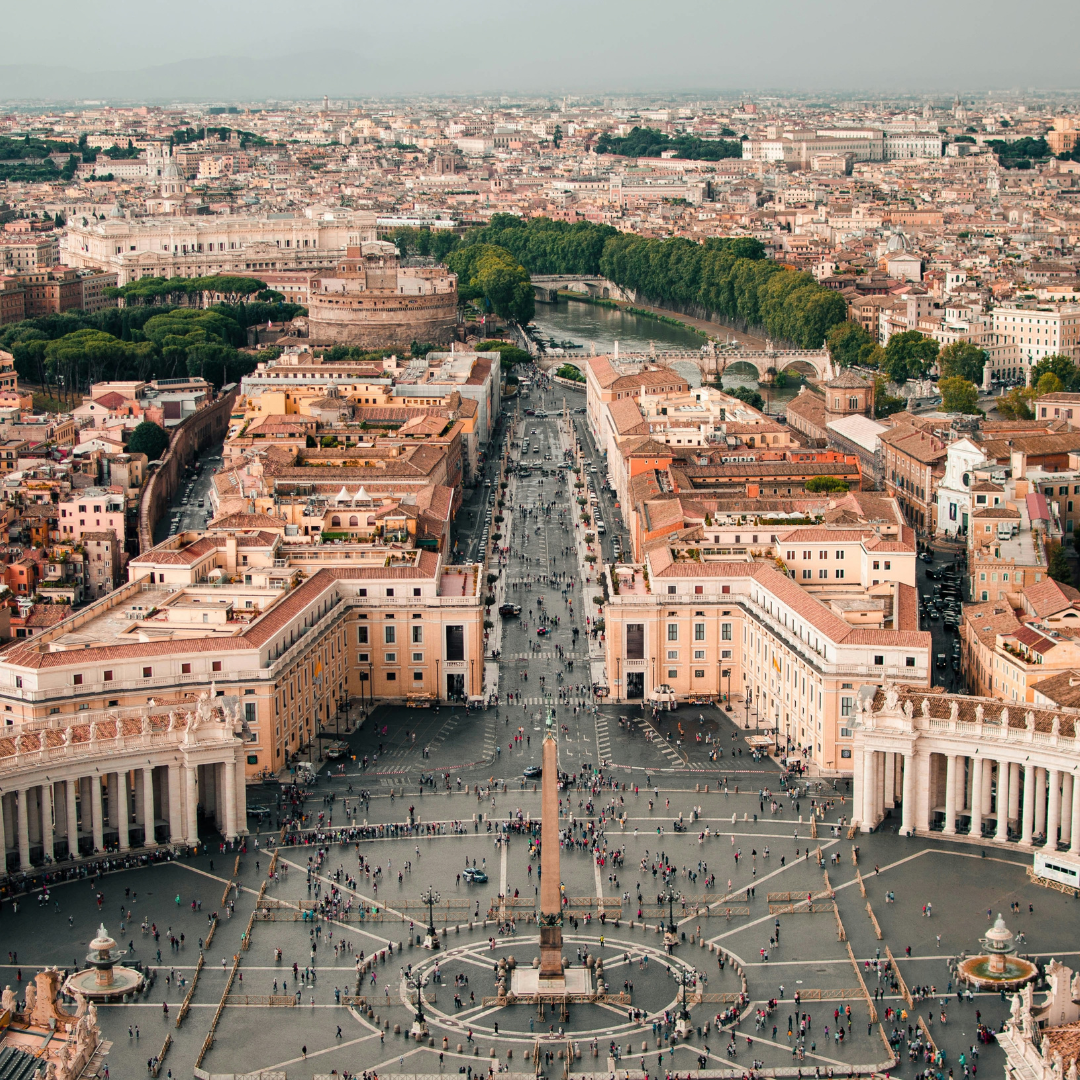
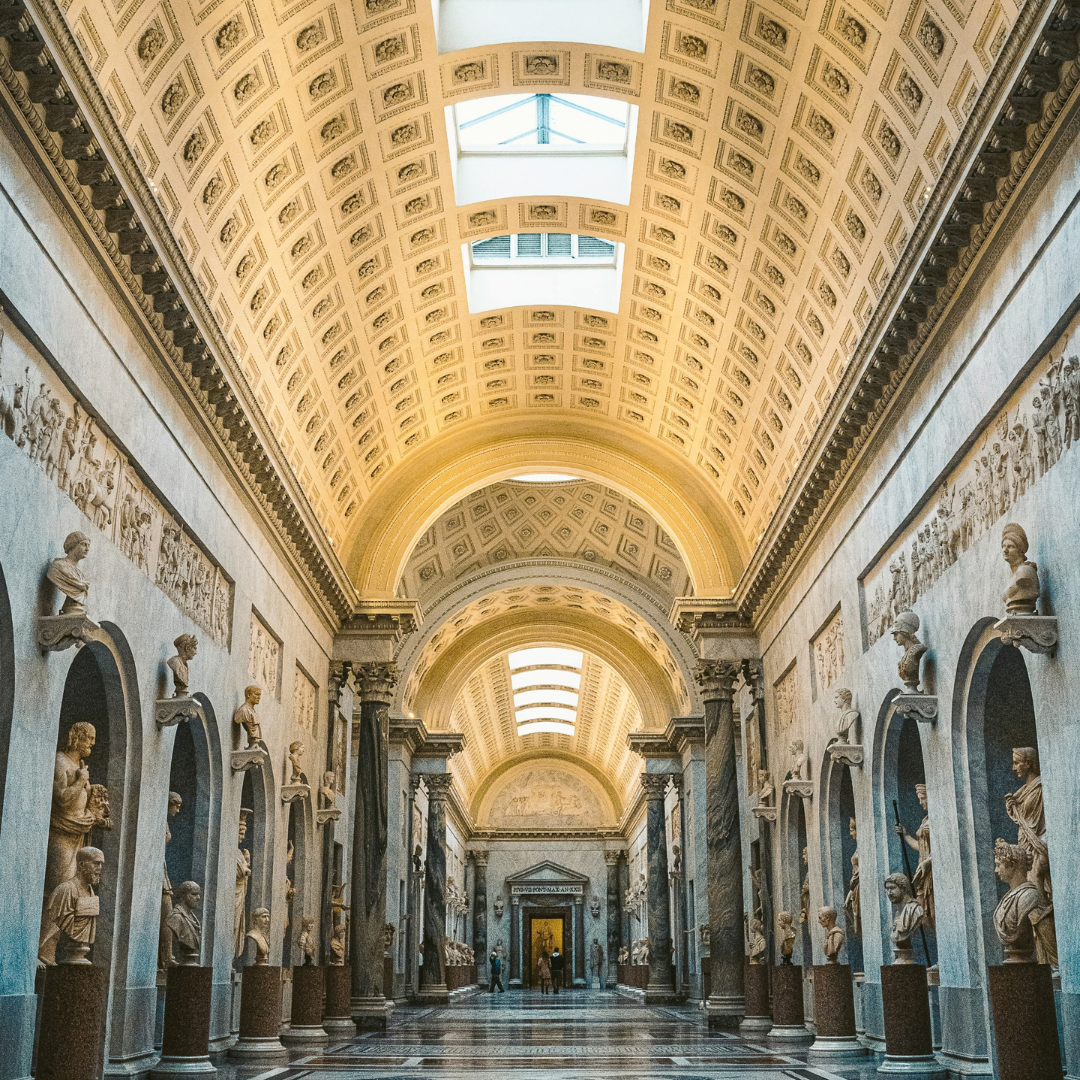
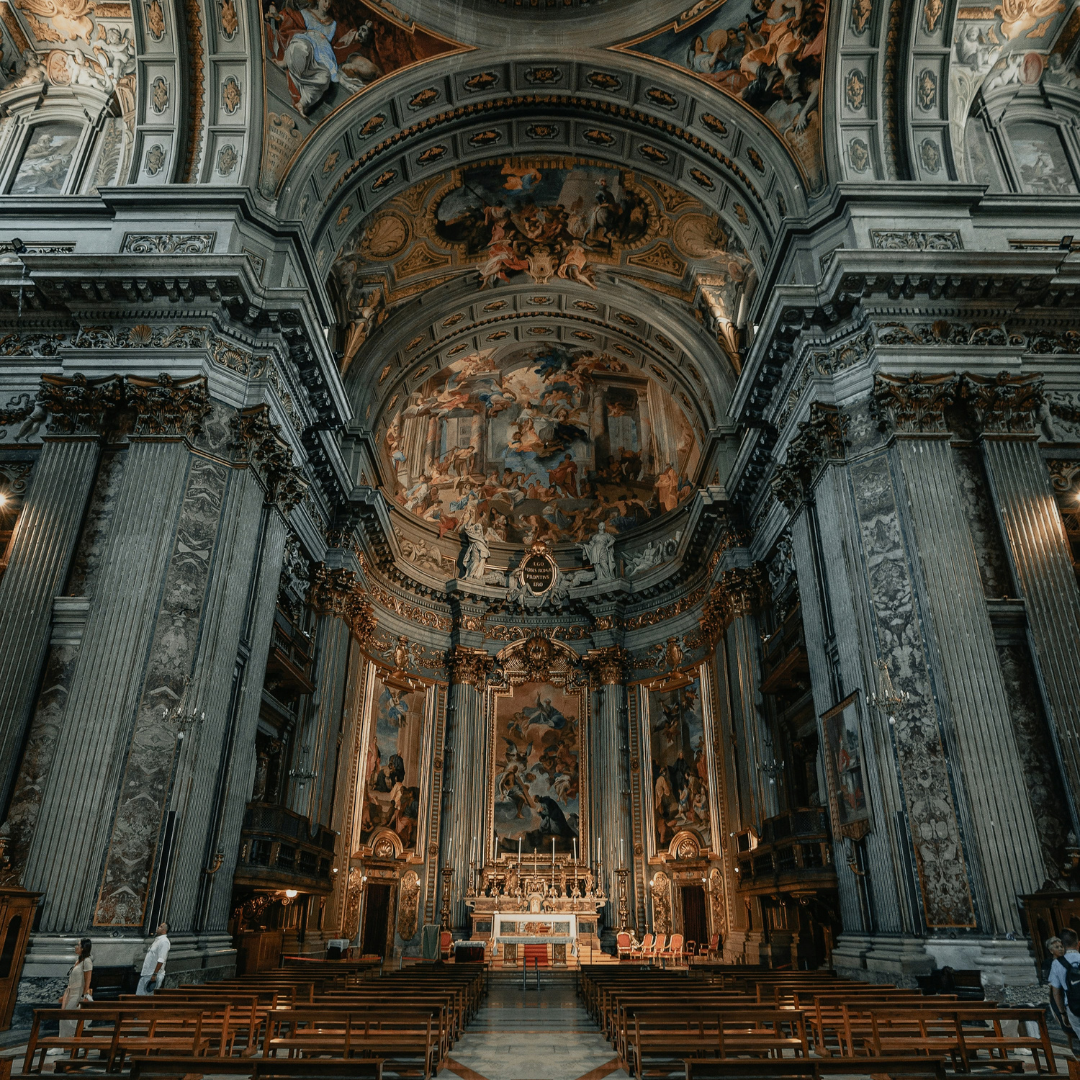
Located entirely within the city of Rome, Vatican City is an independent country and the spiritual center of the Catholic Church. The area has been significant to Christianity for centuries, and today it is home to St. Peter’s Basilica, the Vatican Museums, the Sistine Chapel, and an extraordinary collection of art and architecture.
Construction of the present-day St. Peter’s Basilica began in 1506, while the Vatican Museums grew over the centuries into one of the world’s most significant collections of art and historical objects.
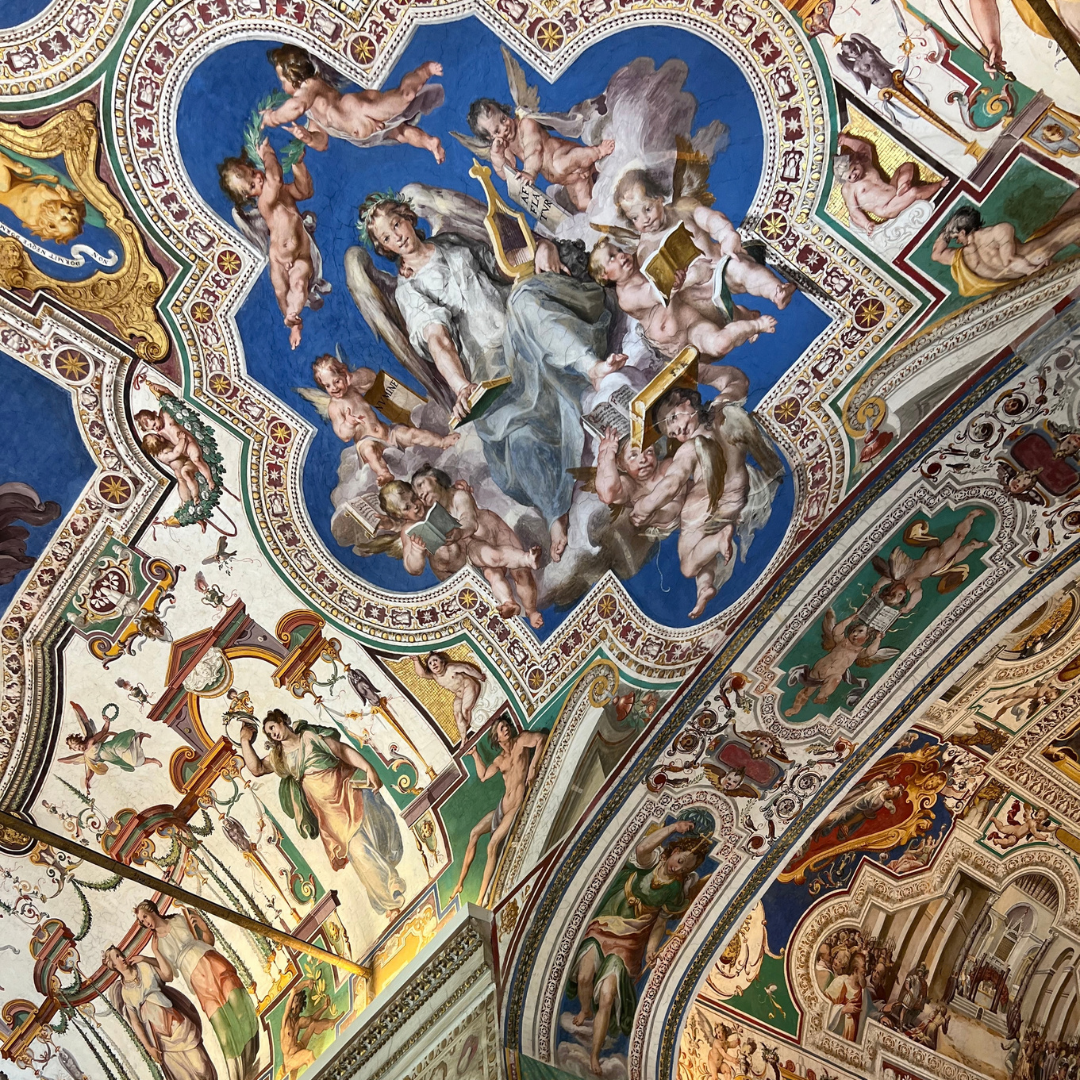
When you visit Vatican City, you’ll encounter magnificent frescoes by Michelangelo and other renowned artists, breathtaking architecture, ancient sculptures, intricate tapestries, and centuries of religious and cultural history.
There’s a lot to consider when planning a visit to the Vatican because it is far more expansive than many travelers anticipate. Thousands of visitors pass through each day, and there are specific guidelines visitors need to follow.
Rather than spending your valuable vacation time staring at a map, wandering down the wrong corridor, or waiting in unnecessary lines, I can connect you with an expert guide who can help you navigate the museums while providing insight into the history, religious traditions, and artwork surrounding you.
And don’t forget to dress appropriately. The Vatican is a religious site, so modest clothing that covers the shoulders and knees is recommended.
Historical Site #3: The Spanish Steps
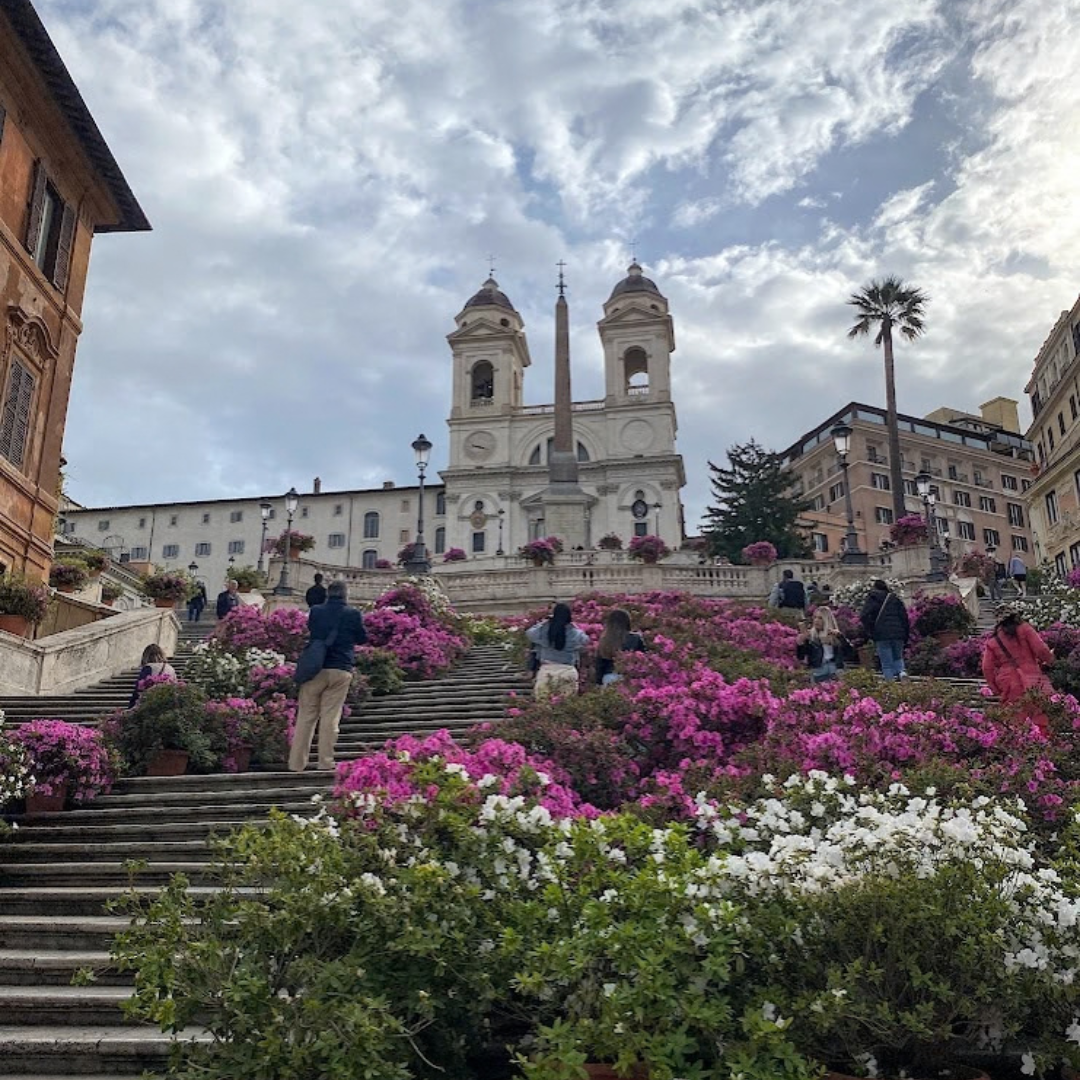
Next on your list of things to see in Rome, The Spanish Steps introduce you to the beauty of 18th-century Baroque architecture while showcasing Rome’s fascinating international connections.
The steps are well-known today as a gathering place for visitors from around the world, but their history reflects the influence of several different cultures. Located between the French-affiliated Trinità dei Monti church and Piazza di Spagna, home to the Spanish Embassy, the steps were financed by French diplomat Étienne Gueffier and designed by Italian architects Francesco De Sanctis and Alessandro Specchi.
The 135 steps connect Piazza di Spagna with the church above and have long been one of Rome’s most recognizable landmarks.
Given their location beside one of Rome’s most popular piazzas, The Spanish Steps are also a wonderful place to pause, admire the architecture, and people-watch. Keep in mind that sitting on the steps is prohibited, so be sure to enjoy the area while helping preserve this historic landmark for future generations.
Modern Site #1: Trastevere Neighborhood
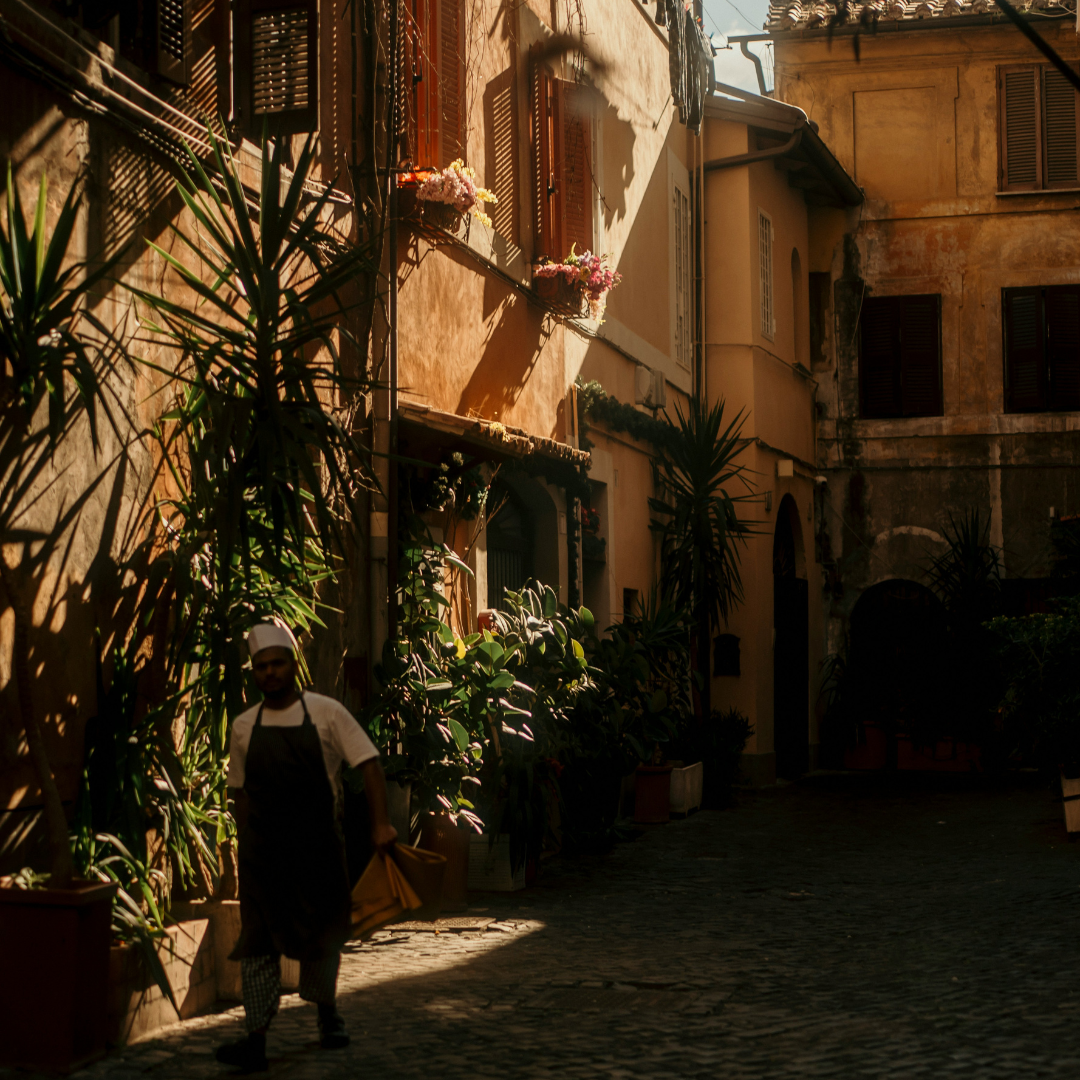
Situated on the west bank of the Tiber River, Trastevere is a wonderful example of how historical and modern Rome blend together.
The neighborhood is known for its cobblestone streets, ivy-covered buildings, colorful facades, lively piazzas, restaurants, bars, and distinctly Roman atmosphere. Because of its popularity, you’ll likely encounter a delightful mix of locals and travelers when you visit.
Trastevere has long been a diverse neighborhood. In ancient times, it was home to working-class residents, immigrants, and communities from throughout the Roman world. Over time, wealthy Romans also built villas in the area, contributing to the neighborhood’s fascinating mix of old and new.
That same spirit continues today.
When you visit, you’ll find everything from former garages transformed into cocktail bars to colorful homes, exposed brick and woodwork, neighborhood restaurants, beautiful churches, and lively piazzas.
You won’t need to imagine ancient Rome quite as hard here. Instead, Trastevere gives you a glimpse into the everyday rhythm of modern Roman life while surrounding you with centuries of history.
Modern Site #2: Testaccio Market
Testaccio may be a traditional Roman market, but that doesn’t mean it isn’t just as relevant to modern Rome. In fact, visiting a local market is one of my favorite ways for travelers to experience a destination through its food and everyday culture.
The market moved to its current location in 2012, bringing together vendors selling fresh produce, meats, cheeses, prepared foods, and other local specialties. The newer market also expanded its selection of street food, making it a great place to sample Roman flavors in a casual setting.
Roman dishes like trippa alla romana (tripe prepared in tomato sauce), panini, and supplì (fried rice croquettes) are classics worth trying. You can also pick up seasonal fruit, artisanal Pecorino Romano, fresh-baked bread, and other local favorites to enjoy later.
Looking for a souvenir to take home? You’ll find plenty of packaged food products and other locally made goods throughout the market.
And if you’re still hungry after exploring the stalls, Testaccio is surrounded by restaurants with long histories of serving traditional Roman cuisine. It’s an excellent neighborhood to explore when you want to experience Rome beyond its most famous landmarks.
Modern Site #3: MAXXI – National Museum of 21st Century Arts
There’s no doubt about the modernity of MAXXI, Rome’s National Museum of 21st Century Arts. The museum features everything from paintings and photography to architecture, installations, and experimental works.
Designed by renowned architect Zaha Hadid, the building itself is a work of art. Step inside, and you’ll discover a museum dedicated to contemporary creativity and innovative forms of artistic expression.
One of the museum’s strengths is the way it brings together Italian and international perspectives. Its collections and exhibitions explore art, architecture, and ideas from the late 20th century through the present day, creating an interesting contrast to the ancient monuments found throughout Rome.
MAXXI also demonstrates that modern Rome doesn’t have to abandon its connection to the past.
The museum’s dramatic concrete architecture and expansive interior spaces offer a fascinating contrast to Rome’s ancient structures, while reminding visitors that the city has always been a place of innovation and creativity.
It’s one more example of why experiencing both historical and modern Rome can give you a much deeper appreciation for the city.
As you can see, Rome offers a journey through time unlike almost anywhere else. From The Colosseum and Vatican City to The Spanish Steps, lively neighborhoods, traditional markets, and contemporary art, there are so many things to see in Rome that it can be difficult to know where to begin.
And making the most of your time requires thoughtful planning.
I’ll help you experience the classic landmarks you don’t want to miss while also adding hidden gems and modern experiences that fit your personal interests. Your itinerary will be designed around your pace, travel style, and priorities, with the details thoughtfully considered before you ever leave home.
When you book your Rome vacation with Travel Dolce, you’re not simply checking landmarks off a list. Depending on your travel style, I can arrange private tours with knowledgeable guides, curated experiences, and special access to the places you’re most excited to see.
Rome has been creating history for thousands of years. Let’s make your visit part of the story.
Looking to discover more of what Rome has to offer? Subscribe to my newsletter for travel inspiration, helpful tips, and destination ideas delivered straight to your inbox.